What is Hydroponics ? : Comprehensive Guide 2026
What is Hydroponics : Hydroponics is one of the fastest-growing modern farming methods in the world, and in 2026 it has become a major opportunity for farmers, entrepreneurs, home gardeners, and agribusiness investors. If you are searching for smart farming ideas, profitable agriculture models, indoor farming business opportunities, terrace farming systems, or high-yield farming techniques, hydroponics stands out as a future-ready solution.
Hydroponics is a method of growing plants without soil by supplying nutrients directly through water. Instead of depending on natural soil fertility, plants receive all essential minerals through a carefully balanced nutrient solution. This allows faster growth, higher yields, cleaner production, and better control over farming conditions. With increasing land scarcity, water shortage, climate change, and rising demand for pesticide-free vegetables, hydroponics is becoming highly relevant across India, especially in states like Kerala where land availability is limited and high-value farming is gaining attention.
Table of Contents
The term hydroponics comes from two Greek words: “hydro” meaning water and “ponos” meaning labor. In simple words, it means farming through water. While traditional farming depends on soil to store nutrients and moisture, hydroponics uses water circulation systems, nutrient reservoirs, support media, pumps, and controlled environments to grow crops efficiently. This farming method is already widely used in countries such as the Netherlands, Israel, the United States, Japan, and the UAE. In India too, hydroponic farms are expanding in urban cities, suburban areas, and small-scale home setups.
One of the biggest reasons hydroponics is attracting attention is space efficiency. According to the details visible in the uploaded images, hydroponics can be done even in limited spaces and is ideal for Kerala-style compact farming models. Vertical hydroponic systems can be installed on terraces, balconies, rooftops, backyards, polyhouses, or small land plots. This is a game-changer for people who do not own acres of land but still want to generate income from farming.
How Hydroponics Works

Hydroponics works by delivering nutrients directly to plant roots through water. Plants need key nutrients such as nitrogen, phosphorus, potassium, calcium, magnesium, sulfur, iron, zinc, copper, boron, and manganese. In soil farming, roots search through the ground to find these nutrients. In hydroponics, the nutrients are already dissolved in water, making absorption faster and more efficient.
Also Read : How to Start Nayara Petrol Pump in Kerala? | Cost, Eligibility and Steps
The plant roots are supported using growing media such as coco peat, perlite, clay pellets, rockwool, or net pots. Water mixed with nutrients is pumped through pipes, channels, or containers depending on the system design. Since plants do not need to struggle for nutrients, they spend more energy on leaf growth, flowering, and fruit production.
This direct nutrient delivery system is why hydroponic plants often grow faster than soil-grown plants. Many leafy vegetables can be harvested in shorter cycles, creating multiple harvests per year and improving profitability.
Key Benefits of Hydroponics
Hydroponics offers several advantages that make it one of the best modern agriculture techniques in 2026.
1. Saves Water
The uploaded images mention that hydroponics can save up to 90% water compared to traditional farming. This is because water is recirculated instead of being lost into the ground. In regions facing water scarcity, hydroponics is a highly sustainable solution.
2. Ideal for Small Spaces
Hydroponics is perfect for urban farming, terrace farming, indoor farming, and compact landholdings. Vertical systems can produce more crops in less area.
3. Faster Growth
Plants receive nutrients directly, leading to quicker growth cycles and faster harvesting.
4. Cleaner and Soil-Free
There is no mud, no heavy weeding, and less mess. This makes hydroponics ideal for homes, educational institutions, restaurants, and urban farms.
5. Reduced Pest Problems
Many soil-borne diseases and pests are eliminated because there is no soil involved.
6. Year-Round Production
Indoor hydroponic farms can grow crops throughout the year with controlled light, temperature, and humidity.
7. Higher Yield Potential
Since plants can be grown closely and vertically, output per square foot is significantly higher.
Best Hydroponic Systems
The uploaded images highlight some of the most popular hydroponic systems used worldwide. Choosing the right system depends on crop type, budget, and available space.
NFT (Nutrient Film Technique)
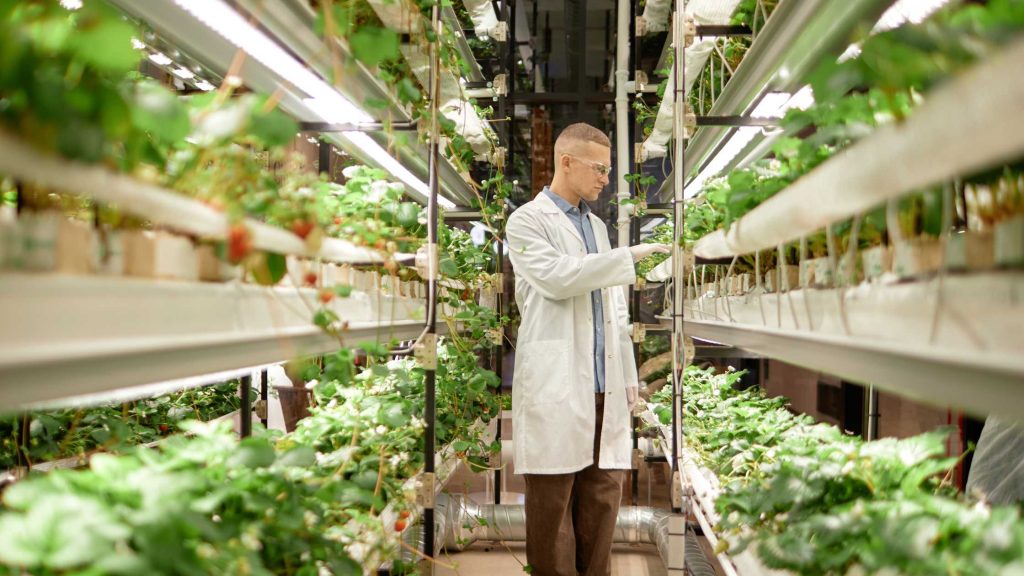
NFT is one of the most common hydroponic systems. In this setup, a thin film of nutrient-rich water continuously flows through channels or pipes where plant roots hang inside. The roots absorb nutrients while also getting oxygen from the air.
NFT is excellent for leafy greens like lettuce, spinach, coriander, basil, and pak choi. It is highly efficient, easy to scale, and suitable for commercial farms.
DWC (Deep Water Culture)
In Deep Water Culture, plant roots remain suspended directly in nutrient water. Air stones and pumps provide oxygen to the roots.
This method is simple and beginner-friendly. It works well for lettuce, herbs, and some fruiting crops.
Wick System
The wick system is a passive hydroponic method where nutrient solution travels to the plant roots using a wick. There are no pumps, making it ideal for small home gardens and beginners.
Ebb and Flow
Also called flood and drain, this system periodically floods the grow tray with nutrient solution and then drains it back. It works well for a wide range of crops.
Drip System
Nutrient solution is dripped slowly to each plant root zone. This is popular for tomatoes, cucumbers, peppers, and strawberries.
Aeroponics
In aeroponics, roots hang in the air and receive nutrients through mist sprays. This advanced system uses less water and provides excellent oxygenation.
Essential Materials Required for Hydroponics
Based on the uploaded images, three key components are clearly highlighted: PVC pipes, water pump, and nutrients. Let us expand this into a full setup list.
PVC Pipes
Food-grade PVC pipes are commonly used for NFT and vertical hydroponic systems. Holes are drilled into the pipes to hold net pots.
Water Pump
A reliable pump circulates nutrient solution through the system. Pump quality is crucial for consistent growth.
Nutrients
Hydroponic nutrients are specially formulated fertilizers containing macro and micronutrients.
Reservoir Tank
Stores the nutrient solution.
Net Pots
Used to hold plants in place.
Growing Media
Coco peat, clay pellets, perlite, or rockwool support root systems.
pH Meter
Used to check acidity levels. Most hydroponic crops prefer pH 5.5 to 6.5.
EC Meter
Measures nutrient concentration.
Lighting (Optional)
LED grow lights are useful for indoor farming.
Support Structure
Frames, racks, or stands for vertical systems.
Best Crops for Hydroponics
Hydroponics is not limited to one type of plant. Many high-demand crops grow successfully.
Leafy Greens
Lettuce, spinach, kale, pak choi, arugula, mustard greens.
Herbs
Basil, mint, coriander, parsley, oregano.
Fruiting Crops
Tomato, cucumber, capsicum, chili, strawberry.
Exotic Greens
Microgreens, romaine lettuce, butterhead lettuce.
Medicinal Plants
Tulsi, aloe vera (with suitable systems), specialty herbs.
In Kerala and urban Indian markets, fresh lettuce, basil, mint, spinach, and pesticide-free greens often sell at premium prices.
Hydroponics Business Opportunity in India 2026
Hydroponics is not just a hobby anymore. It has become a profitable agribusiness model. Demand for clean vegetables is increasing among health-conscious consumers, supermarkets, hotels, restaurants, cafes, and premium households.
Revenue Streams
- Fresh vegetable sales
- Subscription vegetable boxes
- Direct-to-home delivery
- Supplying restaurants and hotels
- Selling seedlings
- Selling hydroponic kits
- Training workshops
- Consulting for farm setups
- YouTube content and online education
- Agri tourism and demo farms
Example Financial Model
From the uploaded image, a sample financial estimate is shown:
- Setup Cost: ₹1,00,000
- Monthly Operating Expense: ₹8,000
- Annual Revenue: ₹2,00,000
- Revenue Per Cycle: ₹25,000
- Net Annual Profit: ₹1,04,000
This type of model can vary based on crop choice, market price, system size, and management quality. A well-run hydroponic unit can scale far beyond these numbers.
Hydroponics in Kerala
Kerala is an excellent market for hydroponics because:
- Limited agricultural land in many districts
- Strong demand for fresh vegetables
- Growing awareness of pesticide-free food
- Popularity of terrace farming
- Good climate for protected farming
- Educated youth interested in agribusiness
Cities such as Kochi, Trivandrum, Kozhikode, Thrissur, and Kottayam have growing markets for premium greens and direct farm delivery.
Government Support and Training
The uploaded images mention support sources such as VFPCK Subsidy, State Horticulture Mission, and KAU Training. These are valuable for beginners.
VFPCK Subsidy
Vegetable and Fruit Promotion Council Keralam often supports vegetable cultivation initiatives and farmer development programs.
State Horticulture Mission
Horticulture missions in different states may offer schemes for protected cultivation, precision farming, or infrastructure support.
KAU Training
Kerala Agricultural University and similar institutions provide agricultural training, workshops, and technical guidance.
Users should always verify the latest subsidy schemes, eligibility criteria, and application procedures from official government portals before investing.
Common Challenges in Hydroponics
Although hydroponics has great advantages, it also requires management.
Initial Investment
Hydroponics setup costs are usually higher than soil farming.
Technical Knowledge
pH balance, EC levels, nutrient mixing, and water circulation need monitoring.
Power Dependency
Pumps and lights require electricity.
Disease Spread in Water
If hygiene is poor, water-borne problems can spread quickly.
Market Access
Profitability depends on selling at the right price to the right customers.
How to Start a Small Hydroponic Farm
If you are a beginner, follow this roadmap.
Step 1: Learn Basics
Understand nutrient management, crop selection, and system design.
Step 2: Start Small
Begin with a terrace or balcony unit before scaling.
Step 3: Choose Easy Crops
Lettuce, spinach, coriander, basil, and mint are beginner-friendly.
Step 4: Build Market Connections
Talk to local stores, restaurants, and direct customers.
Step 5: Track Costs and Yields
Maintain records for better decisions.
Step 6: Scale Smartly
Expand only after achieving stable production and sales.
Hydroponics vs Traditional Farming
Traditional farming has strengths such as lower setup costs and large-scale field production, but hydroponics excels in efficiency.
| Factor | Hydroponics | Traditional Farming |
|---|---|---|
| Soil Needed | No | Yes |
| Water Use | Low | High |
| Space Efficiency | High | Medium |
| Growth Speed | Fast | Normal |
| Weed Problems | Minimal | Common |
| Initial Cost | Higher | Lower |
| Climate Control | Possible | Limited |
| Urban Use | Excellent | Difficult |
Future of Hydroponics in 2026 and Beyond
Hydroponics is expected to grow rapidly due to urbanization, climate uncertainty, and demand for safe food. Future trends include:
- AI-based nutrient monitoring
- Smart sensors and automation
- App-controlled farms
- Solar-powered hydroponics
- Container farming
- Hyperlocal farm delivery brands
- School and college learning farms
- Home hydroponic appliances
As technology becomes cheaper, hydroponics may become mainstream for both households and commercial agriculture.
What is Hydroponics – Conclusion
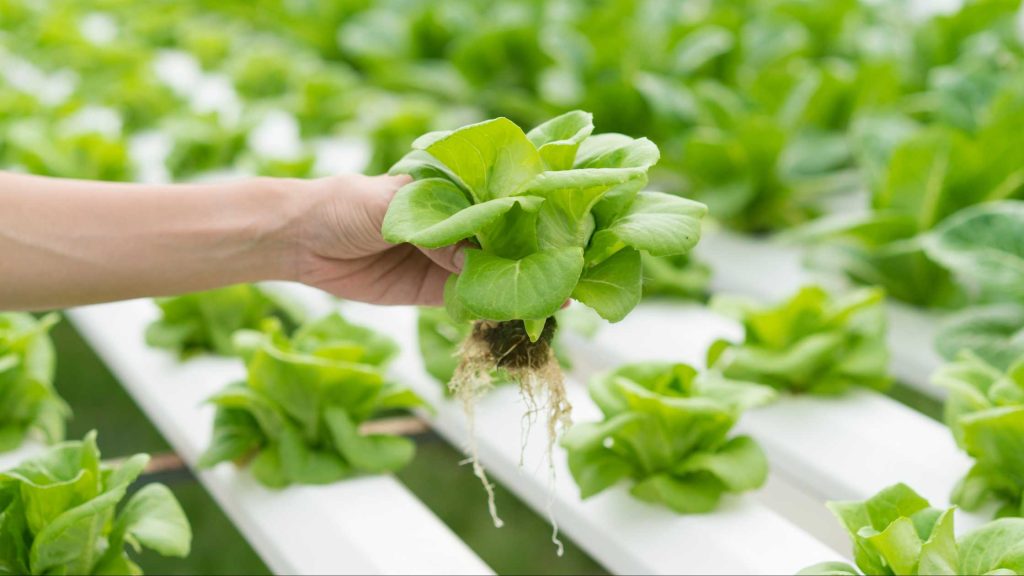
Hydroponics is more than a farming trend—it is a modern solution for food production, entrepreneurship, and sustainable agriculture. By growing plants without soil and using nutrient-rich water, hydroponics saves space, reduces water use, increases efficiency, and enables year-round cultivation.
Buy Now : Ready Made Digital Store with 100 Products
Whether you are a home gardener, student, startup founder, or farmer looking for the next big opportunity, hydroponics offers real potential in 2026. With proper training, smart crop selection, and market planning, even a small hydroponic unit can become a rewarding income source. As land becomes expensive and consumers demand healthier produce, hydroponics is positioned to become one of the most important farming systems of the future.