How to Start Dropshipping ? : Comprehensive Guide 2026
How to Start Dropshipping : Dropshipping has become one of the most searched online business models in India and across the world. In 2026, thousands of beginners are trying to start an ecommerce business without investing heavily in stock, warehouses, or physical shops. The biggest reason behind this trend is the simplicity and flexibility of the dropshipping business model.
With just a mobile phone, laptop, internet connection, and a well-designed ecommerce store, anyone can start selling products online from home. The Indian ecommerce industry is rapidly growing, and many experts predict that India’s ecommerce market may cross massive growth milestones by 2030. Because of this, dropshipping in India is attracting students, freelancers, content creators, digital marketers, homemakers, and full-time entrepreneurs who want to build an online income source.
Table of Contents
Dropshipping is a business model where the seller does not keep products in stock. Instead, when a customer places an order on the seller’s online store, the order is forwarded to a supplier or manufacturer who ships the product directly to the customer. This means the seller acts mainly as a marketer and store owner while the supplier handles storage, packaging, and delivery.
This system reduces inventory risk and lowers startup costs significantly. Unlike traditional retail businesses where huge investments are needed for stock management, dropshipping allows beginners to test products and niches with minimal financial risk.
One of the major reasons why dropshipping is becoming popular in India is the low startup cost. According to many ecommerce creators and industry discussions, beginners can start with approximately ₹15,000 to ₹30,000 depending on the store setup, theme, apps, and advertising budget. Many people also prefer dropshipping because it allows them to work from home.
A smartphone and laptop are usually enough to operate the business in the beginning stages. In 2026, AI tools, automation software, ecommerce platforms, and digital marketing systems have made it easier than ever to run a dropshipping store.
What is Dropshipping ?
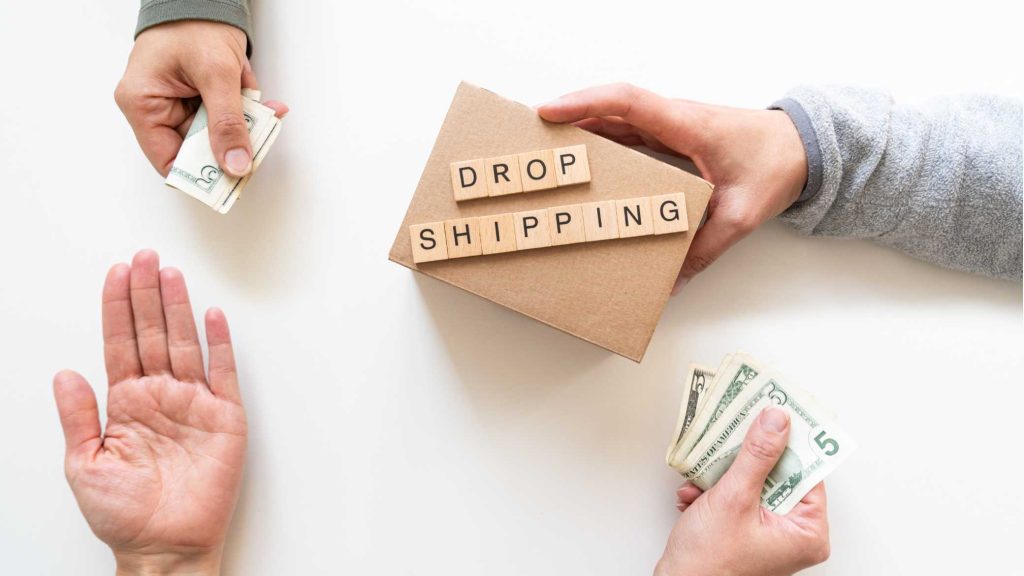
Dropshipping is an ecommerce fulfillment model where products are sold online without maintaining inventory. In a traditional business, shop owners buy products in bulk and store them in warehouses before selling them to customers.
In dropshipping, the process is different. The seller creates an online store, lists products, markets those products, and receives customer orders. Once a customer places an order, the seller forwards the order details to the supplier. The supplier then packs and ships the product directly to the customer.
The basic dropshipping workflow looks like this:
Customer Order → Your Online Store → Supplier Ships Directly
This method eliminates inventory management and warehouse expenses. That is why dropshipping is often called a “low-risk ecommerce business model.” Since sellers do not need to purchase large amounts of stock in advance, they can test multiple products and categories quickly.
The biggest advantages of dropshipping include:
- Zero inventory risk
- Work from home opportunity
- Low startup cost
- Easy scalability
- Beginner-friendly setup
- Flexible working hours
- Access to nationwide customers
- Ability to sell trending products quickly
However, dropshipping is not a “get rich quick” business model. Many beginners enter the industry expecting instant profits and quick success. In reality, successful dropshipping requires patience, product research, marketing knowledge, customer service, branding, and continuous testing.
How Dropshipping Works in 2026
In 2026, dropshipping has evolved significantly. Earlier, many sellers relied heavily on international suppliers with long shipping times. Today, Indian suppliers, domestic fulfillment systems, AI product research tools, and faster delivery services have improved the ecosystem. Many Indian dropshipping platforms now focus specifically on local suppliers and faster shipping for Indian customers.
The modern dropshipping process generally includes these steps:
Step 1 – Choose a Niche
The first and most important step is selecting the right niche. A niche is the category or segment you want to sell products in. Choosing the right niche can decide the success or failure of the business.
Popular dropshipping niches in 2026 include:
- Fitness products
- Home decor
- Kitchen gadgets
- Fashion accessories
- Mobile accessories
- Pet products
- Beauty products
- Smart gadgets
- Car accessories
- Gaming products
Trending and low-competition products usually perform better. Beginners should avoid extremely saturated markets unless they have strong branding or advertising skills.
Also Read : Ecommerce Website Design Tips
Step 2 – Build Your Ecommerce Store
The next step is creating an online store. Shopify remains one of the most popular platforms for dropshipping because of its beginner-friendly interface, app ecosystem, and automation tools.
The store setup process usually includes:
- Buying a domain name
- Selecting a Shopify plan
- Installing a premium or free theme
- Adding product pages
- Configuring payment gateways
- Setting up policies and shipping pages
- Optimizing the store for mobile users
In 2026, ecommerce website design plays a major role in conversion rates. Customers judge the trustworthiness of a store within seconds. Therefore, professional store design is essential.
Many beginners spend approximately:
- Domain: ₹1,500 yearly
- Premium Theme: ₹8,000–₹20,000
- Store Customization: ₹5,000–₹15,000
- Total Setup: ₹15,000–₹30,000
Monthly recurring expenses can include:
- Shopify Subscription
- Apps and Plugins
- Marketing Budget
- Payment Gateway Charges
Step 3 – Connect Suppliers
Suppliers are the backbone of a dropshipping business. A reliable supplier ensures quality products, timely delivery, and fewer customer complaints.
Popular Indian dropshipping supplier platforms in 2026 include:
Dropship India
This platform focuses on multi-category products and direct manufacturer support. It is popular among beginners because of its integration support and wide product range.
Dropdash
Dropdash is known for Shopify integration and support for Tier-2 and Tier-3 markets in India. It provides automation systems and COD support.
IndiaMART
IndiaMART is one of India’s largest B2B directories where sellers can connect directly with wholesalers and manufacturers. Many dropshippers use it for sourcing products manually.
Before selecting suppliers, entrepreneurs should:
- Test product quality
- Verify shipping speed
- Check customer reviews
- Confirm return policies
- Communicate with suppliers regularly
Step 4 – Product Research
Product research is the heart of successful dropshipping. Many beginners fail because they choose random products without market demand.
Winning products generally have:
- Strong demand
- Problem-solving features
- Viral appeal
- Emotional buying triggers
- Affordable pricing
- Good profit margins
Product research methods include:
- TikTok trends
- Instagram Reels
- Facebook Ads Library
- Amazon Best Sellers
- Google Trends
- Ecommerce spy tools
- Competitor analysis
In 2026, AI-powered product research tools are helping entrepreneurs identify trending products faster than before.
Step 5 – Marketing Your Store

Without marketing, a dropshipping store cannot generate sales. Advertising is one of the biggest expenses in dropshipping.
The most popular marketing channels include:
Facebook and Instagram Ads
Meta Ads remain one of the most effective traffic sources for ecommerce businesses. Short-form video creatives perform extremely well in 2026.
Google Ads
Google Shopping Ads and search campaigns help attract high-intent buyers.
Influencer Marketing
Many dropshippers collaborate with micro-influencers for affordable product promotion.
SEO for Ecommerce
Search engine optimization helps generate long-term organic traffic.
Content Marketing
Blogging, YouTube videos, and social media content help build brand trust.
Many beginners fail because they underestimate advertising costs. In reality, successful dropshipping stores spend heavily on testing creatives, audiences, and campaigns before finding profitable combinations.
Real Cost of Starting Dropshipping in India
Many YouTube videos promote dropshipping as a “zero investment business.” However, this is misleading. While inventory costs are avoided, several expenses still exist.
One-Time Setup Costs
- Domain Registration: ₹1,500
- Premium Theme: ₹8,000–₹20,000
- Store Development: ₹5,000–₹15,000
Estimated Total Setup Cost: ₹15,000–₹30,000
Monthly Costs
- Shopify Basic Plan
- Ecommerce Apps
- Marketing Budget
- Payment Gateway Charges
Many Indian sellers use Razorpay or other payment processors. Transaction fees can impact profit margins significantly.
A common reality in Indian dropshipping is that payment processing and platform fees can collectively reduce profits considerably. Therefore, pricing strategies and margin calculations are extremely important.
Advantages of Dropshipping
Low Investment
Dropshipping requires significantly less investment compared to traditional businesses.
No Inventory Management
Suppliers handle stock storage and packaging.
Flexible Work Environment
Many entrepreneurs operate their stores entirely from home.
Easy Scaling
Successful products can be scaled quickly through paid advertising.
Wide Product Variety
Sellers can test different products without buying inventory.
Beginner-Friendly
Even students and part-time workers can start a dropshipping business.
Disadvantages of Dropshipping
Despite its benefits, dropshipping also has several challenges.
High Competition
Since entry barriers are low, competition is extremely intense.
Lower Profit Margins
Margins can shrink because of advertising costs and supplier pricing.
Shipping Delays
Late deliveries can result in customer complaints and refund requests.
Supplier Dependency
Your business reputation depends heavily on supplier performance.
Refund and Return Issues
Handling COD returns and damaged products can become difficult.
Advertising Costs
Paid ads are becoming increasingly expensive in 2026.
Common Beginner Mistakes in Dropshipping
Many beginners fail because they repeat the same mistakes.
Choosing the Wrong Niche
Poor niche selection is one of the biggest reasons for failure.
Not Testing Suppliers
Some suppliers provide low-quality products or delayed shipping.
Ignoring Branding
Generic stores rarely survive long-term competition.
Poor Product Pages
Low-quality product descriptions reduce conversion rates.
Weak Marketing Strategy
Running ads without proper audience targeting leads to losses.
Unrealistic Expectations
Many people expect instant profits within days.
Industry discussions often mention that a large percentage of beginners quit within the first six months because of:
- Wrong niche selection
- Lack of ad budget
- Poor product research
- Inconsistent effort
- Unrealistic expectations
Patience and continuous learning are extremely important in ecommerce.
Importance of Branding in 2026
In earlier years, many dropshipping stores succeeded with generic product pages. In 2026, branding has become more important than ever.
Successful ecommerce brands focus on:
- Unique store design
- Professional product images
- High-quality ad creatives
- Customer trust
- Fast support
- Branded packaging
- Social proof
Customers today are more aware and careful before purchasing online. Therefore, trust-building is critical.
Role of AI in Dropshipping
Artificial Intelligence is transforming ecommerce rapidly.
AI tools now help with:
- Product research
- Store design
- Ad copy generation
- Video creation
- Customer support
- Email marketing
- SEO optimization
- Sales analytics
AI automation is reducing manual workload and helping small ecommerce brands compete more effectively.
Best Ecommerce Platforms for Dropshipping
Shopify
Shopify remains the most popular dropshipping platform because of its simplicity and powerful ecosystem.
WooCommerce
WooCommerce is ideal for WordPress users who want more customization flexibility.
Wix Ecommerce
Wix is becoming more beginner-friendly with drag-and-drop features.
BigCommerce
BigCommerce offers advanced ecommerce features for scaling brands.
Best Products for Dropshipping in 2026
Trending product categories include:
- Smart home gadgets
- Portable electronics
- Fitness equipment
- Eco-friendly products
- Home improvement tools
- Kitchen organizers
- Beauty and skincare tools
- Pet accessories
- Travel gadgets
- Car utility products
Products with emotional appeal and viral potential usually perform better.
Importance of Customer Service
Customer service can make or break an ecommerce business.
Good customer support includes:
- Quick responses
- Easy refund process
- Order tracking
- Transparent communication
- Professional behavior
Satisfied customers increase repeat purchases and positive reviews.
COD and RTO Challenges in India
Cash on Delivery remains very common in India. However, COD also increases Return-to-Origin rates.
RTO happens when customers refuse delivery or become unavailable.
Common RTO reasons include:
- Fake orders
- Customer hesitation
- Delivery delays
- Pricing confusion
Many Indian dropshippers face RTO rates between 10% and 30%.
To reduce RTO:
- Confirm orders through calls or WhatsApp
- Use partial prepaid models
- Improve product descriptions
- Target quality audiences
Importance of Profit Margins
Many beginners focus only on sales volume instead of profit margins.
A healthy dropshipping business should maintain enough margin after:
- Product cost
- Shipping charges
- Ad expenses
- Platform fees
- Payment gateway charges
- Refunds and returns
Many experienced sellers recommend maintaining at least a 30% margin after all operational costs.
SEO for Dropshipping Websites
Search Engine Optimization helps generate free organic traffic.
SEO strategies include:
- Keyword-rich product descriptions
- Blog content
- Internal linking
- Mobile optimization
- Fast loading speed
- Schema markup
- Image optimization
Long-term SEO can reduce dependence on paid advertising.
Social Media and Viral Marketing
Short-form content platforms like Instagram Reels, YouTube Shorts, and TikTok heavily influence ecommerce trends.
Viral product videos often generate massive sales spikes.
Effective video marketing includes:
- Product demonstrations
- Before-and-after visuals
- Problem-solving content
- Customer reactions
- Unboxing videos
Content-driven ecommerce is becoming extremely powerful in 2026.
Can Beginners Start Dropshipping?
Yes, beginners can start dropshipping, but they must approach it realistically.
Successful beginners usually:
- Learn continuously
- Test products consistently
- Improve ad skills
- Build branded stores
- Understand customer psychology
- Study analytics
Dropshipping rewards consistency more than shortcuts.
Is Dropshipping Legal in India?
Yes, dropshipping is legal in India when conducted properly. However, sellers should comply with:
- GST regulations
- Business registration requirements
- Consumer protection laws
- Payment gateway policies
Proper invoicing and transparent policies are important for long-term sustainability.
Future of Dropshipping in India
The future of dropshipping in India appears promising because of:
- Rapid ecommerce growth
- Increased smartphone usage
- Digital payment adoption
- Faster logistics networks
- AI automation
- Social commerce expansion
However, competition is also increasing rapidly. Generic stores are slowly disappearing while branded ecommerce businesses are growing stronger.
The future belongs to sellers who focus on:
- Branding
- Customer experience
- Quality products
- Strong marketing
- Long-term trust building
How to Start Dropshipping – Conclusion

Dropshipping in 2026 continues to be one of the most accessible online business opportunities for beginners who want to enter the ecommerce industry with lower investment.
The business model allows entrepreneurs to sell products online without maintaining inventory, making it attractive for students, freelancers, content creators, and aspiring business owners. With a startup cost that can begin around ₹15,000–₹30,000, many people are exploring dropshipping as a way to create flexible online income streams from home.
Buy Now : Ecommerce Website
However, dropshipping is not an overnight success formula. Success depends heavily on product research, supplier quality, branding, marketing skills, customer service, and patience. Many beginners fail because they expect quick profits without understanding the realities of ecommerce competition and advertising costs. The most successful dropshipping businesses in 2026 focus on building strong brands rather than just selling random trending products.
The Indian ecommerce ecosystem is evolving rapidly, and domestic suppliers, faster shipping networks, AI-powered tools, and social commerce trends are opening new opportunities for online entrepreneurs. Those who continuously learn, adapt to market trends, and prioritize customer trust can build profitable ecommerce brands over time.
Dropshipping is not easy, but with the right strategy, consistency, and realistic expectations, it can become a scalable and rewarding online business model in the digital economy of 2026.